Importance of a Skincare Routine for Oily and Acne-Prone Skin: Best Skincare Routine For Oily And Acne-prone Skin

A tailored skincare routine is crucial for individuals dealing with oily and acne-prone skin. This specific skin type often produces excess sebum, which can lead to clogged pores and breakouts. Without an appropriate routine, these skin issues can worsen, leading to persistent acne and other skin concerns.
Common skin concerns associated with oily and acne-prone skin include enlarged pores, blackheads, and excess shine. Additionally, individuals may struggle with post-inflammatory hyperpigmentation, which can leave lasting marks even after acne has cleared up. The right products and techniques can significantly mitigate these issues, leading to clearer skin and increased confidence.
Essential Ingredients for Oily and Acne-Prone Skin
When selecting products for oily and acne-prone skin, certain ingredients prove to be particularly effective. Here is a list of key ingredients that help control oil and prevent acne:
- Salicylic Acid: A beta hydroxy acid that penetrates deep into pores to dissolve excess oil and dead skin cells.
- Benzoyl Peroxide: Known for its antibacterial properties, it helps kill acne-causing bacteria and reduce inflammation.
- Niacinamide: A form of vitamin B3 that helps regulate oil production and strengthen the skin’s barrier.
- Tea Tree Oil: A natural antiseptic that can help reduce acne inflammation and redness.
Using non-comedogenic products is also essential, as these are specifically formulated to prevent clogged pores, ensuring that your skincare routine supports clear skin rather than contributing to breakouts.
Steps in an Effective Skincare Routine
An effective skincare routine for oily and acne-prone skin involves several key steps. Below is a step-by-step guide:
- Cleansing: Use a gentle cleanser designed to remove excess oil without stripping the skin.
- Toning: Apply a toner with astringent properties to help tighten pores and remove any leftover impurities.
- Treating: Incorporate treatment products containing active ingredients like salicylic acid or benzoyl peroxide.
- Moisturizing: Use a lightweight, oil-free moisturizer to maintain hydration without clogging pores.
- Protecting: Finish with a broad-spectrum sunscreen during the day to protect the skin from UV damage.
To provide clarity, here’s a comparison of morning vs. evening skincare routines:
| Step | Morning Routine | Evening Routine |
|---|---|---|
| Cleansing | Gentle Cleanser | Gentle Cleanser |
| Toning | Astringent Toner | Astringent Toner |
| Treating | Spot Treatment | Acne Treatment |
| Moisturizing | Oil-Free Moisturizer | Oil-Free Moisturizer |
| Protecting | Sunscreen | None |
Product Recommendations, Best skincare routine for oily and acne-prone skin
Choosing the right products can make a significant difference in managing oily and acne-prone skin. Here’s a curated list of recommended products suitable for this skin type:
- Budget-Friendly Options:
- Cleansers: Neutrogena Oil-Free Acne Wash
- Toners: Thayers Witch Hazel Toner
- Treatments: The Ordinary Salicylic Acid 2% Solution
- High-End Products:
- Cleansers: La Roche-Posay Effaclar Purifying Foaming Gel
- Toners: Paula’s Choice Skin Balancing Pore-Reducing Toner
- Treatments: Drunk Elephant T.L.C. Framboos Glycolic Night Serum
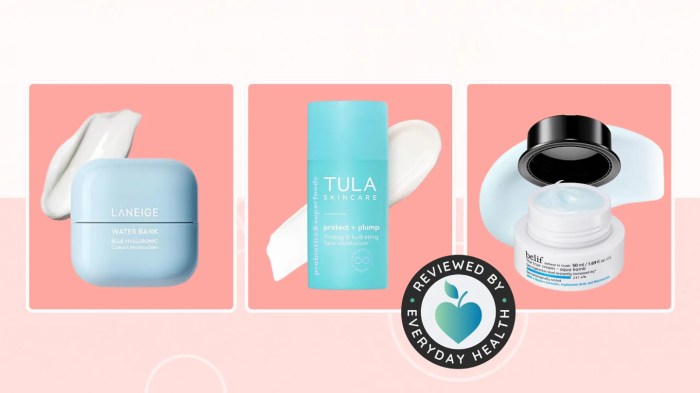
Understanding the pros and cons of different product types is also essential. Gels tend to be lightweight and absorb quickly, making them ideal for oily skin. Creams, on the other hand, may provide more hydration but could potentially clog pores if they are not non-comedogenic.
Lifestyle Factors Impacting Skin
Lifestyle factors play a significant role in the health of oily and acne-prone skin. Diet, hydration, and stress are all influential. A balanced diet rich in fruits, vegetables, and whole grains can positively impact skin health, while processed foods and high sugar intake can exacerbate acne.
Staying hydrated is equally important, as proper hydration helps maintain skin elasticity and function. Managing stress effectively through practices such as yoga or meditation can also improve skin condition, as stress is known to trigger hormonal changes that can lead to breakouts.
Common Mistakes to Avoid
There are typical mistakes individuals make when caring for oily and acne-prone skin that can hinder progress. Key mistakes include:
- Over-exfoliating, which can strip the skin of natural oils and lead to increased oil production.
- Using harsh products that can irritate the skin and worsen acne.
- Neglecting to moisturize, as even oily skin requires hydration to balance itself.
To enhance skincare practices, consider the following do’s and don’ts:
Do: Use gentle products, maintain a consistent routine, and listen to your skin’s needs.
Don’t: Pick at acne, skip sunscreen, or switch products too frequently.
When to Seek Professional Help
Certain scenarios indicate the necessity of consulting a dermatologist. If over-the-counter treatments fail to improve your skin, or if you experience severe acne that leads to scarring, professional guidance is essential.
Dermatologists may recommend treatments such as topical retinoids, oral medications, or in-office procedures like chemical peels or laser therapy. Preparing for a dermatologist visit involves assembling your skincare history, listing current products, and discussing any previous treatments to ensure an effective consultation.
Seasonal Adjustments to Skincare
As seasons change, so should your skincare routine. In summer, opt for lightweight formulations that control oil without feeling heavy on the skin. Conversely, winter might require thicker moisturizers to combat dryness caused by indoor heating and cold temperatures.
Humidity and temperature can greatly influence product selection. During humid months, products that are gel-based or mattifying can help reduce shine, while creamier formulations may be beneficial in dry, cold weather to retain moisture.