Introduction to Anti-Aging Products: Best Anti-aging Products For Sensitive Skin Types
Anti-aging products play a crucial role in maintaining skin health by targeting visible signs of aging such as fine lines, wrinkles, and loss of elasticity. For those with sensitive skin, the choice of products becomes even more significant as common ingredients may cause irritation. It’s essential to look for formulations that are gentle yet effective, which can include beneficial ingredients like hyaluronic acid, peptides, and antioxidants. Individuals with sensitive skin often face concerns such as redness, itching, or burning sensations when trying new products, making it vital to choose wisely.
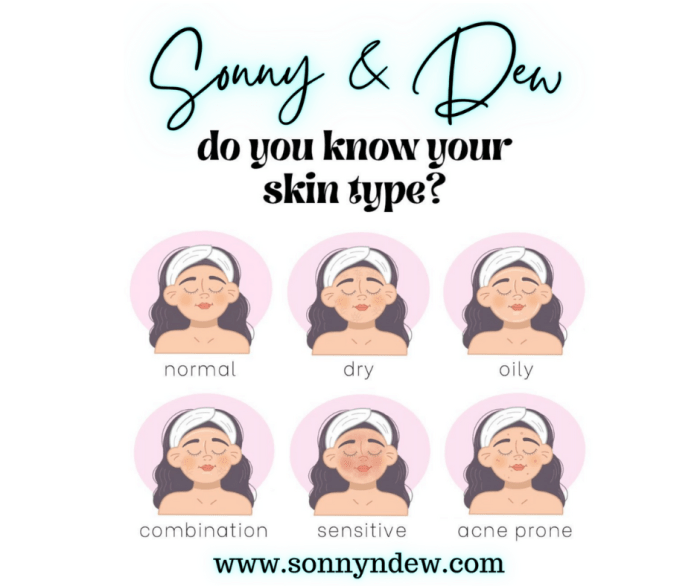
Characteristics of Sensitive Skin
Sensitive skin is characterized by its tendency to react adversely to various external stimuli, such as weather changes, certain fabrics, and skincare ingredients. People with sensitive skin may experience symptoms like dryness, redness, and a burning sensation, which complicates their choice of anti-aging products. Common triggers include harsh chemicals, fragrances, and extreme temperatures. To ensure safety, patch testing any new product is crucial; this involves applying a small amount to a discreet area and monitoring for any adverse reactions before full application.
Types of Anti-Aging Products Suitable for Sensitive Skin, Best anti-aging products for sensitive skin types
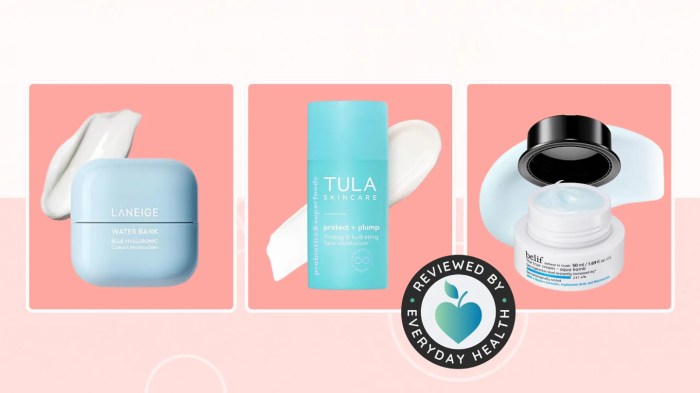
Different categories of anti-aging products cater to sensitive skin, ensuring that users can address their skincare needs without risking irritation. The following types are particularly beneficial:
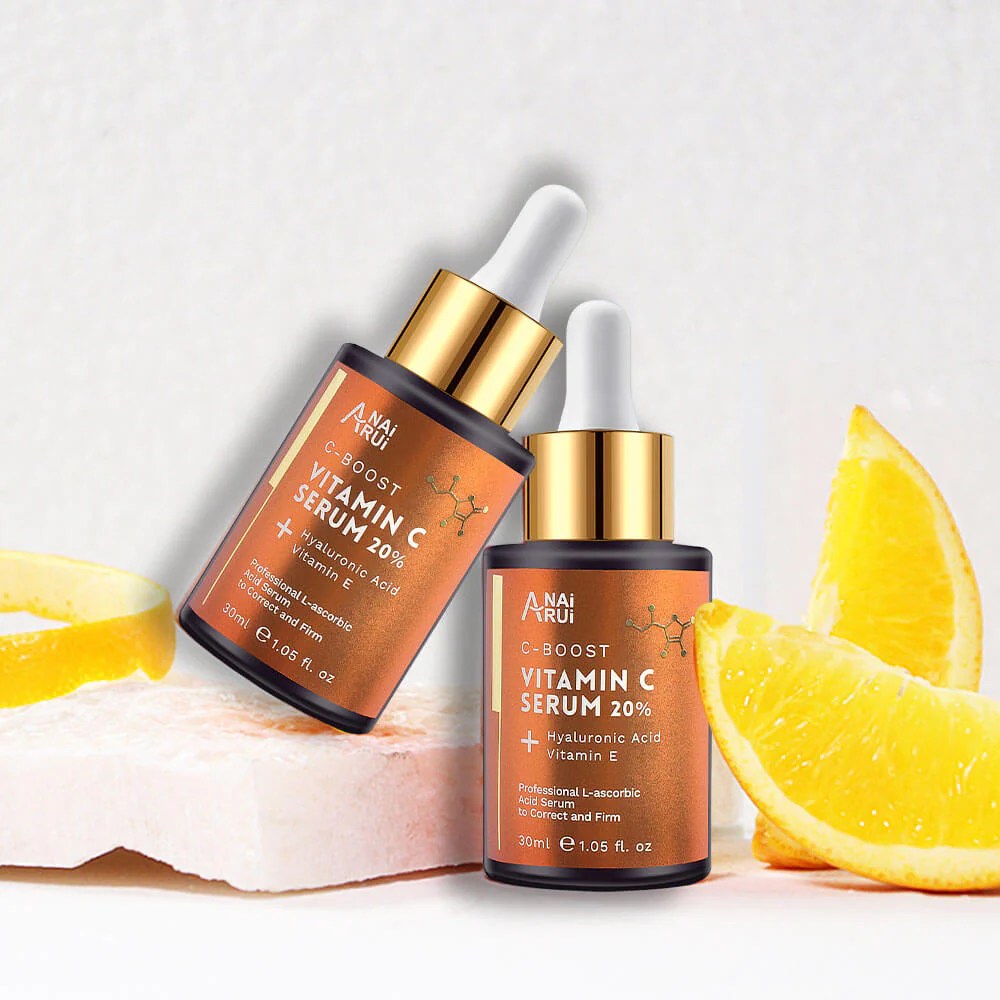
- Serums: Lightweight and easily absorbed, serums often contain concentrated active ingredients.
- Creams: Richer formulations that provide intense hydration and help lock in moisture.
- Masks: Hydrating or soothing masks can provide a boost to the skin while being gentle on sensitive areas.
Specific product formulations to consider might include fragrance-free options or those designed specifically for sensitive skin. Additionally, moisturizers play a vital role in anti-aging, as they keep the skin hydrated and help maintain its barrier function, preventing moisture loss that can exacerbate signs of aging.
Key Ingredients to Look For
When selecting anti-aging products for sensitive skin, certain ingredients stand out for their effectiveness and gentleness. Some key ingredients include:
- Hyaluronic Acid: Known for its ability to retain moisture, keeping the skin plump and hydrated.
- Peptides: Help promote collagen production and improve skin elasticity.
- Antioxidants: Ingredients like vitamin C and green tea extract protect skin from environmental damage.
Natural ingredients often provide a gentler alternative compared to synthetic ones, reducing the potential for irritation. Antioxidants are particularly crucial in anti-aging, as they combat free radicals that contribute to skin aging and maintain overall skin health.
Recommended Anti-Aging Products
For those with sensitive skin, several top-rated products are formulated to provide effective anti-aging benefits without causing irritation. Below is a table of recommended products, highlighting their key features and benefits:
| Product Name | Key Features | Benefits |
|---|---|---|
| La Roche-Posay Toleriane Ultra | Fragrance-free, soothing | Reduces redness, hydrates skin |
| Neutrogena Hydro Boost Gel-Cream | Hydrating, non-comedogenic | Provides moisture without clogging pores |
| CeraVe Skin Renewing Night Cream | Contains ceramides, fragrance-free | Restores skin barrier, overnight hydration |
These products are recognized for their effectiveness, receiving positive user reviews and dermatologist recommendations, making them excellent choices for sensitive skin.
Application Methods for Sensitive Skin
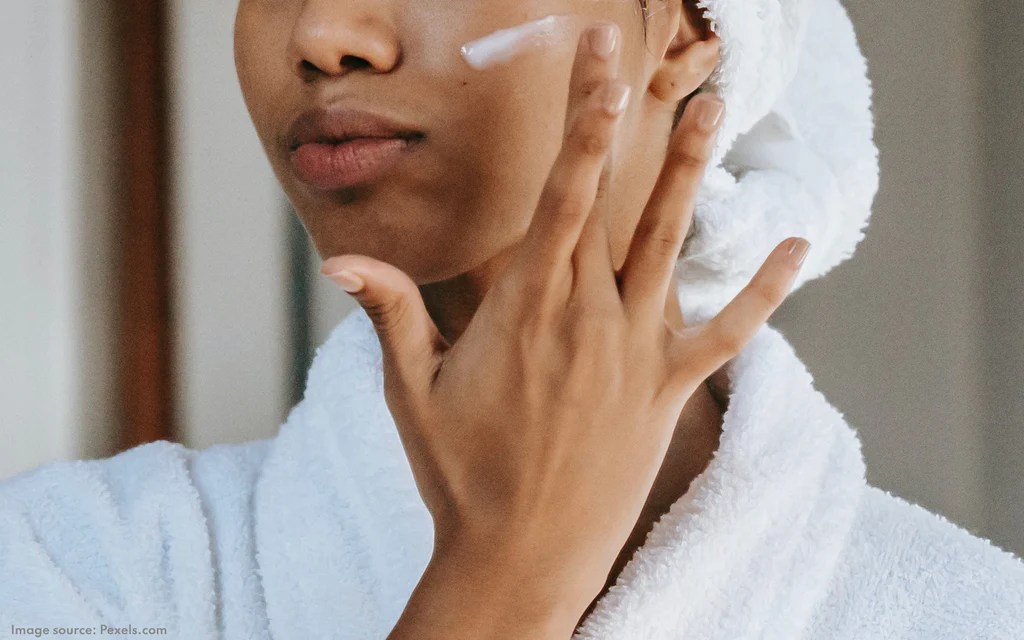
Proper application techniques are essential to minimize irritation when using anti-aging products. Begin with a gentle cleanser, ensuring the skin is clean before applying treatment products. Always use a small amount of product to avoid overwhelming the skin. Incorporating these products into a consistent skincare routine helps maximize their benefits.
Layering products is another effective strategy; start with the lightest product and gradually add thicker ones, such as serums followed by creams. This method helps lock in moisture while preventing the skin from feeling overloaded.
Lifestyle Tips for Supporting Sensitive Skin
In addition to a targeted skincare routine, lifestyle choices greatly influence skin health. Dietary recommendations for enhancing skin health include:
- Incorporating omega-3 fatty acids found in fish and flaxseeds to maintain skin hydration.
- Consuming antioxidants through fruits and vegetables to combat free radical damage.
- Staying hydrated by drinking plenty of water throughout the day to support skin elasticity.
Furthermore, protecting sensitive skin from sun damage is critical. Regular application of a broad-spectrum sunscreen is essential to prevent photoaging and maintain skin health.
Addressing Common Myths
Several misconceptions surround the use of anti-aging products for sensitive skin. For instance, a common myth is that all natural products are safer than synthetic ones. In reality, natural ingredients can also cause reactions, depending on individual sensitivities. Additionally, there’s a belief that higher-priced products are always more effective; however, efficacy often depends on formulation rather than price point. It’s essential to choose products based on ingredients and suitability for your skin type, rather than brand name or price alone.