Importance of Layering Skincare Products: Best Practices For Layering Skincare Products Effectively
Layering skincare products effectively is crucial for achieving optimal skin health and appearance. Proper layering allows active ingredients in different products to work synergistically, enhancing their efficacy. When done correctly, using multiple products can address various skin concerns more thoroughly and promote a radiant complexion. However, many individuals fall into common pitfalls that can undermine their skincare efforts.
Common mistakes in layering include applying products in the incorrect order or using incompatible ingredients. For instance, applying heavier creams before lighter serums can hinder absorption, leaving skin feeling greasy. Additionally, mixing products with conflicting ingredients may lead to irritation or breakouts. Understanding the art of layering is essential for maximizing the benefits of your skincare routine.
Understanding Different Skincare Ingredients
A successful skincare routine hinges on understanding the various ingredients used in products. Key ingredients include hyaluronic acid for hydration, retinol for anti-aging, and vitamin C for brightening. Each ingredient has specific functions and benefits, which is why knowing how they interact is vital.
Some ingredients enhance each other’s effectiveness, while others can cause irritation when combined. For instance, using retinol and vitamin C together can lead to sensitivity. It’s important to be aware of compatibility issues to avoid adverse reactions and ensure that your routine is both effective and gentle on the skin.
Order of Application for Skincare Products
To achieve the best results, follow this ideal order for applying skincare products:
1. Cleanser
2. Toner
3. Essence
4. Serum
5. Treatment (e.g., retinol)
6. Moisturizer
7. Sunscreen (in the morning)
The role of each step is crucial; cleansers remove dirt and impurities, while toners balance the skin’s pH. Essences and serums deliver concentrated active ingredients, and moisturizing helps to seal in hydration. Sunscreen is essential for protecting the skin from UV damage.
| Product Type | Texture | Absorption Rate |
|---|---|---|
| Cleanser | Liquid/Cream | Fast |
| Toner | Liquid | Fast |
| Essence | Lightweight Liquid | Medium |
| Serum | Lightweight Gel/Liquid | Medium |
| Moisturizer | Cream/Gel | Slow |
| Sunscreen | Cream/Lotion | Slow |
Skincare Product Types and Their Functions
Different skincare products serve specific purposes within a routine. Here’s a breakdown of common types and their functions:
– Cleansers: Remove dirt, makeup, and impurities.
– Toners: Prep skin for better absorption and balance pH.
– Serums: Target specific concerns like wrinkles or pigmentation.
– Moisturizers: Hydrate and protect the skin barrier.
– Oils: Provide additional hydration and nourishment.
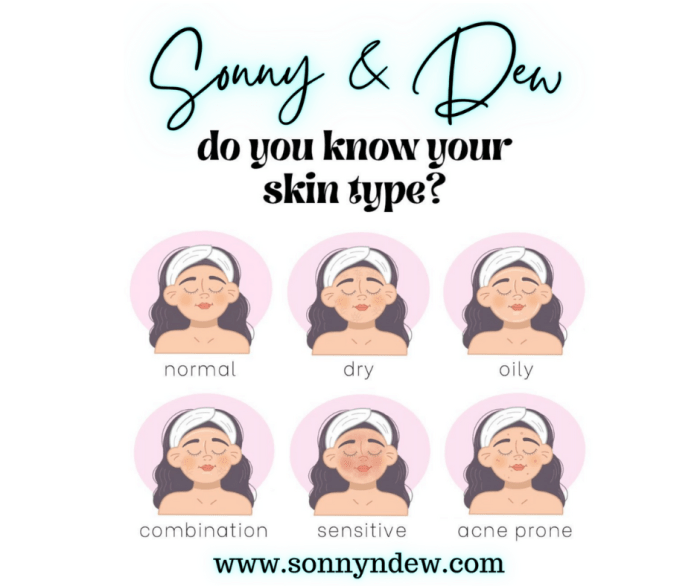
Selecting the right products based on your skin type is essential. For example, those with oily skin may prefer lightweight gel moisturizers, while dry skin types should look for richer creams.
Customized Skincare Routines
Creating a customizable skincare routine involves considering individual skin types and concerns. For instance, someone with acne-prone skin might focus on non-comedogenic products and incorporate salicylic acid, while dry skin types might benefit from hyaluronic acid and richer moisturizers.
Seasonal changes also call for routine adjustments. In colder months, increase hydration, while in summer, lightweight products may be sufficient. Tailored routines can effectively address different skin issues, such as acne, dryness, or hyperpigmentation.
The Role of Patch Testing
Patch testing new products is crucial to avoid adverse reactions. Conducting a patch test involves applying a small amount of product to a discreet area of skin, usually on the inner arm, and observing for any reactions over 24-48 hours. Common reactions to look for include redness, itching, or swelling.
By patch testing, you can identify potential irritants before incorporating new products into your daily routine, ensuring a safer and more effective skincare experience.
Special Considerations for Sensitive Skin, Best practices for layering skincare products effectively
Sensitive skin requires extra care when layering products. It’s essential to choose gentle formulations and avoid products with harsh ingredients. Consider alternatives that are fragrance-free and formulated for sensitive skin types, like those containing soothing ingredients such as aloe vera or chamomile.
Comparing gentle versus effective ingredients can help in selecting the right products. For instance, opting for a gentle exfoliant like lactic acid over harsher options can prevent irritation while still providing benefits.
| Gentle Ingredients | Effective Alternatives |
|---|---|
| Aloe Vera | Retinol (for sensitive skin, at lower concentrations) |
| Chamomile | Salicylic Acid (use with caution) |
| Rose Water | Glycolic Acid (for mild exfoliation) |
Tips for Achieving Maximum Absorption
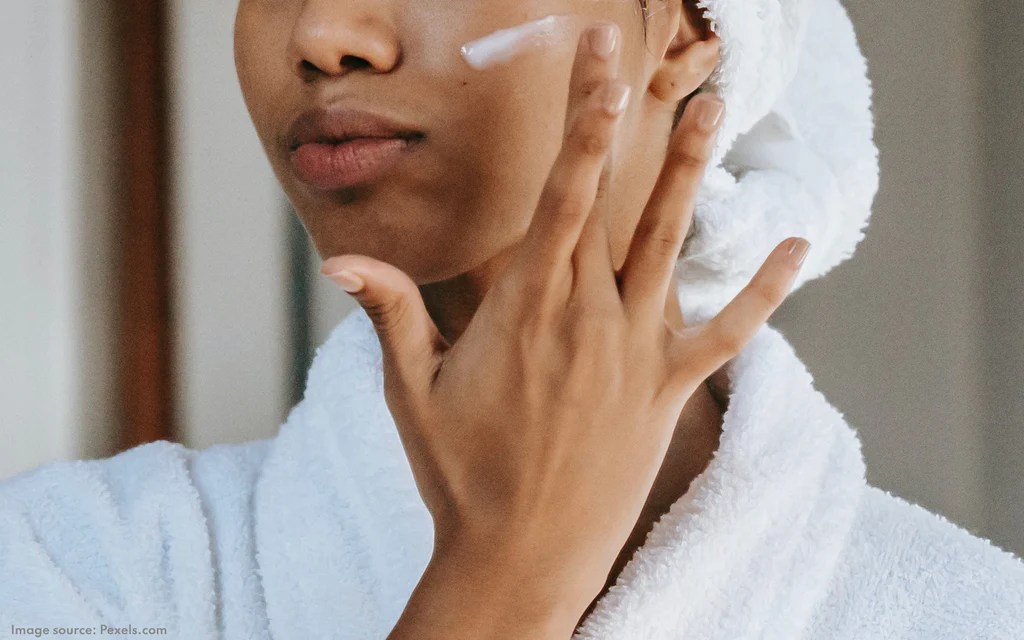
To enhance product absorption, consider these techniques:
– Apply products on slightly damp skin to lock in moisture.
– Use gentle tapping motions to encourage absorption.
– Increase skin temperature with warm compresses before application.
Avoid practices such as applying products too thickly or using too many layers without allowing each to absorb. These can hinder effective penetration, leaving products on the skin’s surface.
The Impact of Climate and Environment on Skincare
Environmental factors significantly influence how products layer and function. In humid climates, lightweight formulas may be more effective, whereas dry climates may necessitate heavier moisturizers to combat moisture loss.
Adjusting your routine based on climate conditions is vital. For example, using thicker creams during winter can provide a protective barrier, while in summer, lightweight gels may suffice.
Common Layering Techniques to Avoid
Certain layering techniques can lead to skin issues. For example, applying multiple active ingredients concurrently without allowing time for absorption can irritate the skin. Over-exfoliation by using several exfoliating products can also damage the skin barrier.
To ensure effective layering, consider these do’s and don’ts:
- Do: Allow each product to absorb before applying the next.
- Don’t: Combine incompatible ingredients like retinol and vitamin C.
- Do: Focus on hydration before occlusion.
- Don’t: Layer too many products, leading to congestion.