Understanding Skin Types: How To Identify Your Skin Type And Its Needs
Identifying your skin type is essential for creating an effective skincare routine. Each skin type possesses unique characteristics and needs, which can greatly influence how products perform on your skin. Understanding these differences can help you choose the right products and treatments for optimal skin health.
There are mainly four skin types: oily, dry, combination, and sensitive. Oily skin is characterized by excess sebum production, leading to a shiny appearance and larger pores. Dry skin lacks moisture and can feel tight or rough, while combination skin displays characteristics of both oily and dry skin in different areas. Sensitive skin can react to products and environmental stimuli, often resulting in redness or irritation.
Common myths about skin types include the idea that oily skin doesn’t need hydration, or that all dry skin types are sensitive. It’s crucial to understand that skin type can change over time due to factors such as age, hormonal changes, and environmental conditions. For example, many people find their skin becomes drier as they age or during colder months.
Methods to Identify Your Skin Type
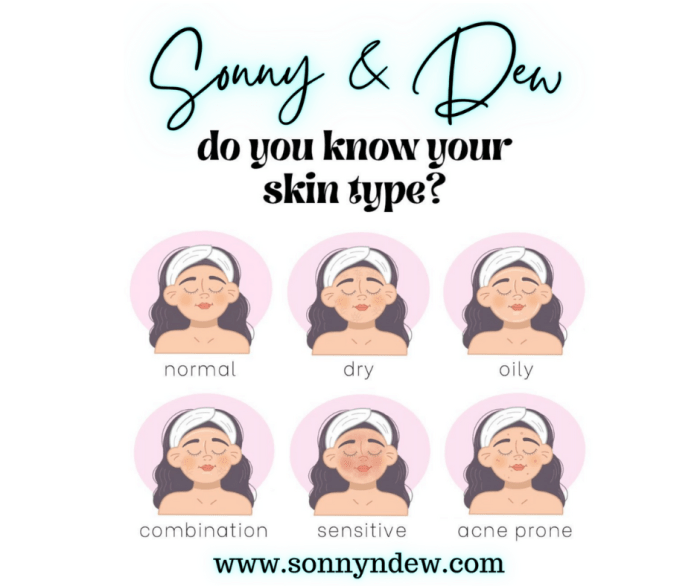
Determining your skin type can be done easily at home. Start by cleansing your face with a mild cleanser to remove makeup and impurities. After patting your skin dry, wait for about an hour without applying any products. This allows your skin to return to its natural state.
Observe how your skin feels and looks during this time. Here are some observations to help you identify your skin type:
- If your skin feels tight and looks flaky, you likely have dry skin.
- If your skin appears shiny and feels greasy, especially in the T-zone, you have oily skin.
- If your cheeks are dry while your forehead and nose are oily, you have combination skin.
- If your skin reacts with redness or irritation to products, you likely have sensitive skin.
A simple moisture test can further help in identifying your skin type. Use a blotting paper and press it on different areas of your face. If the paper picks up oil from your forehead, you have oily skin. If there’s little to no oil, you probably have dry or normal skin.
Recognizing Your Skin’s Needs, How to identify your skin type and its needs
Each skin type has specific needs that should be addressed for optimal health. Here’s a breakdown of what each type may require:
- Oily Skin: Lightweight, oil-free moisturizers and exfoliants to control excess sebum.
- Dry Skin: Rich, hydrating creams and serums that replenish moisture.
- Combination Skin: Products that balance hydration and oil control, typically with gel-based textures.
- Sensitive Skin: Gentle, fragrance-free products that soothe and calm irritation.
It’s important to consider lifestyle factors that can also impact your skin health. Factors such as diet, hydration, sleep, and stress levels play a crucial role in maintaining healthy skin.
Seasonal and Environmental Impacts on Skin
As the seasons change, so do your skin’s needs. During winter, cold weather can strip moisture from the skin, making it essential to switch to thicker creams and protectants. In contrast, summer may require lighter products that prevent clogging of pores.
Different climates also influence skin characteristics. For instance, those living in humid areas may struggle with oily skin due to excess moisture in the air, while those in arid climates might experience dryness.
Here’s a seasonal skincare routine tailored to skin types:
- Winter: Use thick creams for dry skin and lightweight lotions for oily skin.
- Summer: Opt for gel-based moisturizers for oily skin and hydrating sprays for dry skin.
- Spring and Fall: Balance hydration with lighter formulations.
Ingredients to Look For Based on Skin Type
Different skin types benefit from various ingredients. Here’s a guide:
- Oily Skin: Look for salicylic acid and tea tree oil to help reduce breakouts.
- Dry Skin: Ingredients like hyaluronic acid and ceramides help retain moisture.
- Combination Skin: Use products with niacinamide to balance oil and hydration.
- Sensitive Skin: Aloe vera and chamomile can soothe and calm irritation.
Conversely, certain ingredients should be avoided. Harsh alcohols or fragrances can aggravate sensitive skin and lead to breakouts in oily skin. Understanding the formulations and choosing wisely can enhance your skincare routine.
Common Skin Concerns and Solutions
Each skin type faces its common concerns. Here’s a quick analysis:
- Oily Skin: Prone to acne; use non-comedogenic products.
- Dry Skin: Often experiences flakiness; use thick creams and avoid hot showers.
- Combination Skin: May struggle with clogged pores; gently exfoliate and moisturize all areas.
- Sensitive Skin: Can react to products; always patch test new products.
To address these issues, consider these effective treatments:
- For acne: Incorporate salicylic acid or benzoyl peroxide.
- For dryness: Use overnight masks formulated for deep hydration.
- For sensitivity: Choose products with calming agents like calendula.
Understanding your skin type and its needs can empower you to make informed choices about your skincare routine. Each component, from recognizing specific requirements to adapting to environmental changes, plays a vital role in achieving healthy, glowing skin.