How to Properly Clean and Maintain Makeup Brushes
Keeping your makeup brushes clean is crucial for maintaining both your skin’s health and the quality of your makeup application. Regular cleaning prevents the buildup of dirt, oils, and bacteria, which can lead to skin irritations and breakouts. By ensuring that your brushes are clean, you can also enjoy a smoother, more flawless makeup application that enhances your overall look.
Importance of Cleaning Makeup Brushes
Cleaning makeup brushes regularly is not just a chore; it’s an essential part of a good beauty routine. Here are some benefits of maintaining clean brushes:
- Prevention of Skin Issues: Dirty brushes can harbor bacteria and oils that may lead to breakouts, irritation, and other skin problems.
- Improved Makeup Application: Clean brushes allow for better blending and application of products, resulting in a polished finish.
- Longevity of Brushes: Regular cleaning helps preserve the bristles, preventing them from becoming frayed or damaged over time.
Tools and Products for Cleaning
To effectively clean your makeup brushes, you’ll need the right tools and products. Here’s a list of essentials:
- Cleaning Mat: A silicone mat can help scrub brushes while protecting their shape.
- Shampoo or Brush Cleanser: Use a gentle cleanser specifically designed for makeup brushes to avoid damage.
- Paper Towels or Microfiber Cloth: These are ideal for drying brushes without leaving lint behind.
When it comes to cleaning products, you have options. Here’s a comparison:
| Product Type | Benefits | Considerations |
|---|---|---|
| Commercial Brush Cleaners | Formulated for effective cleaning and sanitizing. | May contain chemicals; check for skin sensitivity. |
| Homemade Solutions | Natural ingredients like olive oil and dish soap can be effective. | Effectiveness may vary, and care must be taken with ratios. |
Step-by-Step Cleaning Process
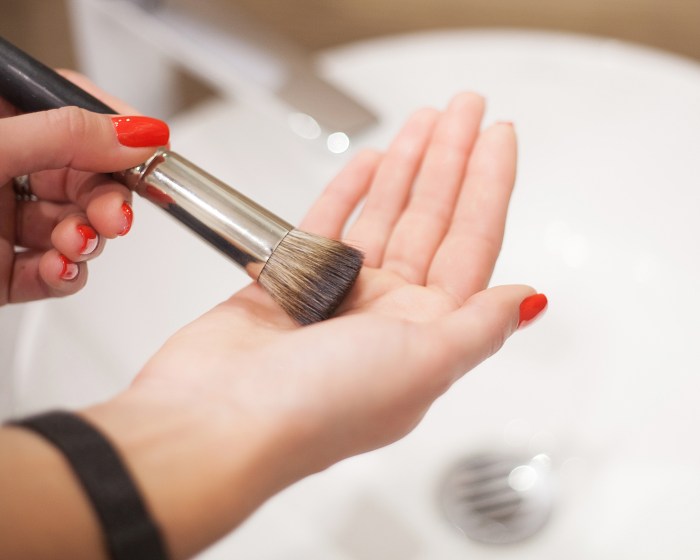
Cleaning your brushes is straightforward if you follow these steps:
- Wet the bristles with lukewarm water, avoiding the ferrule (the metal part) to protect the glue.
- Apply a small amount of brush cleanser or shampoo to the bristles.
- Gently swirl the brush in the palm of your hand or on a cleaning mat to work up a lather.
- Rinse thoroughly until the water runs clear.
- Reshape the bristles and lay the brush flat on a towel to dry. Avoid standing the brushes upright to prevent water from seeping into the ferrule.
Frequency of Cleaning, How to properly clean and maintain makeup brushes
The frequency of cleaning your brushes can vary based on your usage.
- Everyday Brushes: Clean these at least once a week to ensure optimal performance.
- Occasional-Use Brushes: Clean these after every use to maintain hygiene.
- Signs for Immediate Cleaning: If you notice a change in texture, smell, or if the bristles are stained, it’s time for a deep clean.
Maintenance Tips for Longevity
To keep your brushes in top condition, consider these maintenance tips:
- Spot Clean: Use a spray cleaner for a quick refresh between uses.
- Proper Storage: Store brushes upright in a holder or lay them flat to maintain their shape.
- Inspect Regularly: Check for frayed bristles or loose hairs, which may indicate it’s time for replacement.
Troubleshooting Common Issues
Cleaning brushes can sometimes lead to issues like stubborn residue. Here’s how to tackle common problems:
- Stubborn Makeup Residue: If residue remains, try a stronger cleanser or soak the brush in warm soapy water for a few minutes.
- Restoring Brush Shape: After cleaning, reshape the bristles and allow them to dry flat to maintain their form.
Special Considerations for Different Brush Types
Different types of brushes have unique cleaning needs. Here’s what to keep in mind:
- Synthetic Brushes: These are easier to clean and can handle stronger cleansers.
- Natural Hair Brushes: Use gentler products as they can be more delicate.
- Eye Brushes vs. Face Brushes: Eye brushes may require more frequent cleaning due to the variety of products used.
- Specialty Brushes: Brushes used for liquid products may need additional care to prevent product buildup.